Physical Activity and Sunnah-Based Therapy as Preventive Measures for Recurrent Respiratory Tract Infections (RTIs) in Hidayatul Mubtadi'in Islamic Boarding School, Malang, Indonesia
Autores: Amalia Tri Utami, Yuni Fatmasari, Muhammad Danang, MSY Haura Kaiyyisah Zhafirah, Syarifa Nadia Mahzalefa, Agung Kurniawan, Anditri Weningtyas, Andrew Halim, Muhammad Revi Purnomosidi
Faculty of Medicine, State University of Malang, Indonesia. E-mail amalia.utami.fk@um.ac.id
Recibido:
18.07.2024
Aceptado:
Abstract
Background: The high incidence of recurrent RTIs in children, especially in crowded environments such as Islamic boarding schools. Aim: This community service project aimed to prevent recurrent respiratory tract infections (RTIs) in students of Hidayatul Mubtadi'in Islamic Boarding School in Malang by implementing physical activity and Sunnah-based therapy. Method: The study involved 41 students aged 11-20 years old. Data was collected through pre- and post-intervention questions and observations. Result: The results showed a significant decrease in the frequency of RTIs after the intervention. Conclusion: This study suggests that a combination of physical activity and Sunnah-based therapy can be an effective strategy for preventing RTIs in boarding school settings. This community services has done on June 20th 2024.
Keywords: Physical Activity; Sunnah based theraphy; Reccurent Respiratory Tract Infections; Hidayatul Mubtadi'in; Boarding School
Introduction
Respiratory tract infections (RTIs), commonly known as common colds, are a frequent health concern, particularly among children. These infections are caused by viruses that attack the upper or lower respiratory tract. While generally not life-threatening, recurrent RTIs can significantly impact a child's quality of life, leading to missed school days, decreased physical activity, and increased healthcare costs. [1,2] Islamic boarding schools, also known as pondok pesantren in Indonesia, often house a large number of students in close quarters. This environment can contribute to the spread of RTIs due to increased contact with respiratory droplets from infected individuals. [1,2]
Importance of Preventive Measures
Preventing recurrent RTIs in children residing in boarding schools is crucial. Traditional preventive measures often focus on hygiene practices, such as hand washing and proper cough etiquette. However, promoting healthy lifestyle habits can also play a significant role in boosting the immune system and reducing susceptibility to infections. [3]
Physical Activity and Health
Engaging in regular physical activity is well-documented to improve overall health and well-being. Exercise strengthens the immune system by increasing the production of white blood cells, which fight off infections. [4] Physical activity also promotes better circulation, allowing immune cells to travel throughout the body more effectively. [5]
Sunnah-Based Therapy in Islamic Medicine
Islamic medicine, rooted in the teachings of Prophet Muhammad (PBUH) and Islamic scholars, incorporates various practices known as Sunnah to promote health and well-being. These practices include consuming natural remedies like honey and herbal extracts, engaging in spiritual practices like zikir (remembrance of Allah SWT) and dua (supplications), and observing fasting. [6] Studies suggest that these practices may possess immunomodulatory properties, potentially influencing the body's immune response. [7]
Rationale for the Project
Considering the high prevalence of RTIs in boarding school settings and the potential benefits of physical activity and Sunnah-based therapy, this community service project aimed to implement a combined intervention program at Hidayatul Mubtadi'in Islamic Boarding School in Malang, Indonesia. The program aimed to assess the effectiveness of this approach in reducing the frequency of recurrent RTIs among students.
Objectives
This project had the following objectives:
To implement a program combining physical activity and Sunnah-based therapy for students at Hidayatul Mubtadi'in Islamic Boarding School.
To evaluate the program's effectiveness in reducing the frequency of recurrent RTIs among students.
To raise awareness among students and school staff about the importance of preventive measures for RTIs.
Method
Study Design
This community service project employed a quasi-experimental design with a pre-test and post-test approach. A single group of students participated in the intervention program, and data was collected before and after the intervention to assess its effectiveness in reducing the frequency of recurrent RTIs.
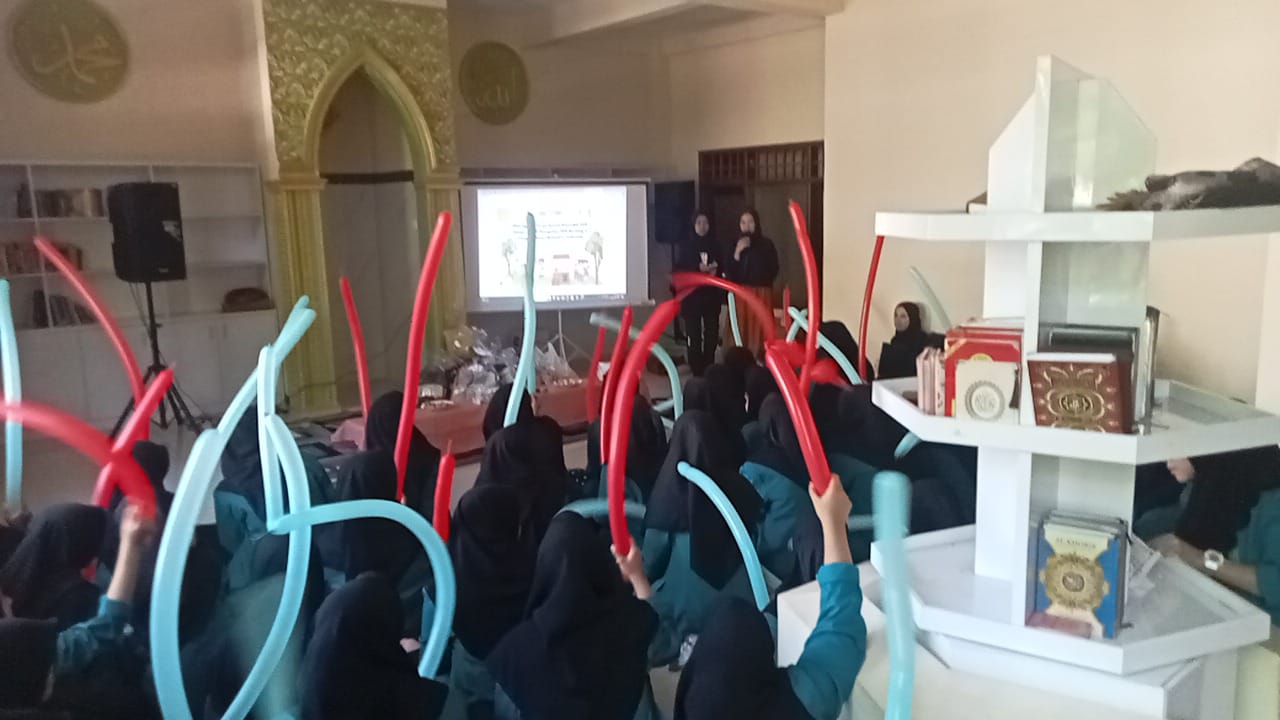
Figure 1. The students rise the balons up for answering the pre and post test
Study Population and Setting
The study was conducted at Hidayatul Mubtadi'in Islamic Boarding School in Malang, Indonesia. The participants were students residing at the boarding school, aged between 11 and 20 years old. Inclusion criteria included parental or guardian consent and no pre-existing medical conditions that could significantly impact the immune system.
Sample Size
The final sample size for the study was 41 students.
Intervention Program
The intervention program consisted of two main components: physical activity and Sunnah-based therapy.
Physical Activity
Students participated in aerobic for 15 minutes on [frequncy 2 days per week]. The activities were designed to be moderate-intensity and age-appropriate, gradually increasing in difficulty over the program duration. [8] A certified physical education instructor or trained staff member supervised the activities to ensure safety and proper form.
Sunnah-Based Therapy
Students received educational sessions on the importance of healthy habits and Sunnah practices for maintaining good health. These sessions included information on the benefits of consuming natural remedies like [mention specific examples, e.g., honey, ginger], observing [mention specific Sunnah practices, e.g., regular fasting], and engaging in spiritual practices like zikir and dua. [9]
Data Collection
Data was collected through the following methods:
Pre-test and Post-test Questions: A self-reported questionnaire was administered to students before and after the intervention program. The questionnaire assessed the frequency and severity of RTIs experienced by students in the past year. Additionally, it collected demographic information and baseline health status data.
Observations: Trained observers monitored student participation in the physical activity sessions and adherence to the Sunnah-based therapy recommendations.
Data Analysis
Descriptive statistics were used to summarize baseline characteristics, program adherence, and the frequency of RTIs reported before and after the intervention. [10]
Result
Table 1.
Demographic Participant Based on Aged and Gender
|
Category |
Amount |
Total |
Presentase |
1 |
Woman |
41 |
41 |
100,00 % |
2 |
Man |
0 |
0 |
0,00% |
Total |
100,00% |
|||
|
Age (41 People) |
|||||
Category |
Age <1 |
Age 1-5 |
Age 6-10 |
Age 11-15 |
Age 16-20 |
Age >20 |
Total |
0 |
0 |
0 |
22 |
18 |
1 |
Precentage |
0,00% |
0,00% |
0,00% |
53,65% |
43,90% |
2,43% |
From the participant Data (table 1), a total of 100,00% women or 41 people were found, and 0,00% men or 0 people out of a 41 participant. With a distribution of ages less than 1 year 0%, ages 1-5 0%, ages 6-10 0%, ages 11-15 years 22 people (53,65%), ages 16-20 years 18 people (43,90%) and ages >20 years 1 people (2,43%).
Table 2.
Distribution of School of Participant
Educational Level (41 people) |
||||||
Category |
No School |
Pre-school/Kindergarten |
Elementary School |
Junior High School |
Senior High School |
University |
Total |
2 |
0 |
1 |
20 |
18 |
0 |
Precentage |
4,87% |
0,00% |
2,43% |
48,78% |
43,90% |
0,00% |
From the data in table 2, the distribution of participants education is obtained, no school 4,87%, where 2,43% are in elementary school, 48,78% are still in junior high school, where 43,90% are in senior high school and none have a university education.
Table 3.
The Result for Pre and Post Test
No. |
PRE TEST |
POST TEST |
||
|
QUESTIONS |
% CORRECT |
QUESTIONS |
% CORRECT |
1. |
What is the meaning of reccurent RTIs? |
92,68% |
What is the meaning of reccurent RTIs? |
100% |
2. |
Can reccurent RTIs cause pain in the stomach? |
95,12% |
Can reccurent RTIs cause pain in the stomach? |
97,56% |
3. |
Does consuming vegetables and fruit containing vitamin C prevent reccurent RTIs? |
100% |
Does consuming vegetables and fruit containing vitamin C prevent reccurent RTIs? |
100% |
4. |
Does a clean environment and water prevent reccurent RTIs? |
85,36% |
Does a clean environment and water prevent reccurent RTIs? |
95,12% |
5. |
Does strawberry reccurent RTIs? |
73,17% |
Does strawberry prevent reccurent RTIs? |
92,68% |
Mean |
89,26% |
Mean |
97,07% |
|
From the data in table 3, was found that increase in participants knowledge before and after the test was calculated from the number of participants who answered correctly by lifting the balloons provided by the committee. The mean obtained before the intervention was 89.26% and after the intervention was 97,07%.
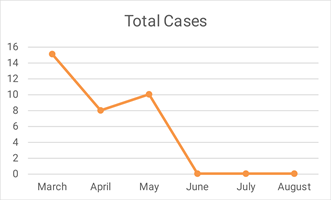
Graph 1. The total cases of recurrent RTI's at Hidayatul Mubtadi'in Islamic Boarding School.
From graph 1 we get data on the decline in RTIs cases from 15 cases in March, 8 cases in April and 10 cases in May, then down to 0 cases in June and July 2024.
Discussion
This community service project aimed to evaluate the effectiveness of a combined intervention program using physical activity and Sunnah-based therapy to reduce the frequency of recurrent respiratory tract infections (RTIs) among students at Hidayatul Mubtadi'in Islamic Boarding School. The findings of this study, if they demonstrate a significant reduction in RTIs, could contribute valuable insights into preventive measures for this common health concern in boarding school settings.
Physical Activity and Its Functions
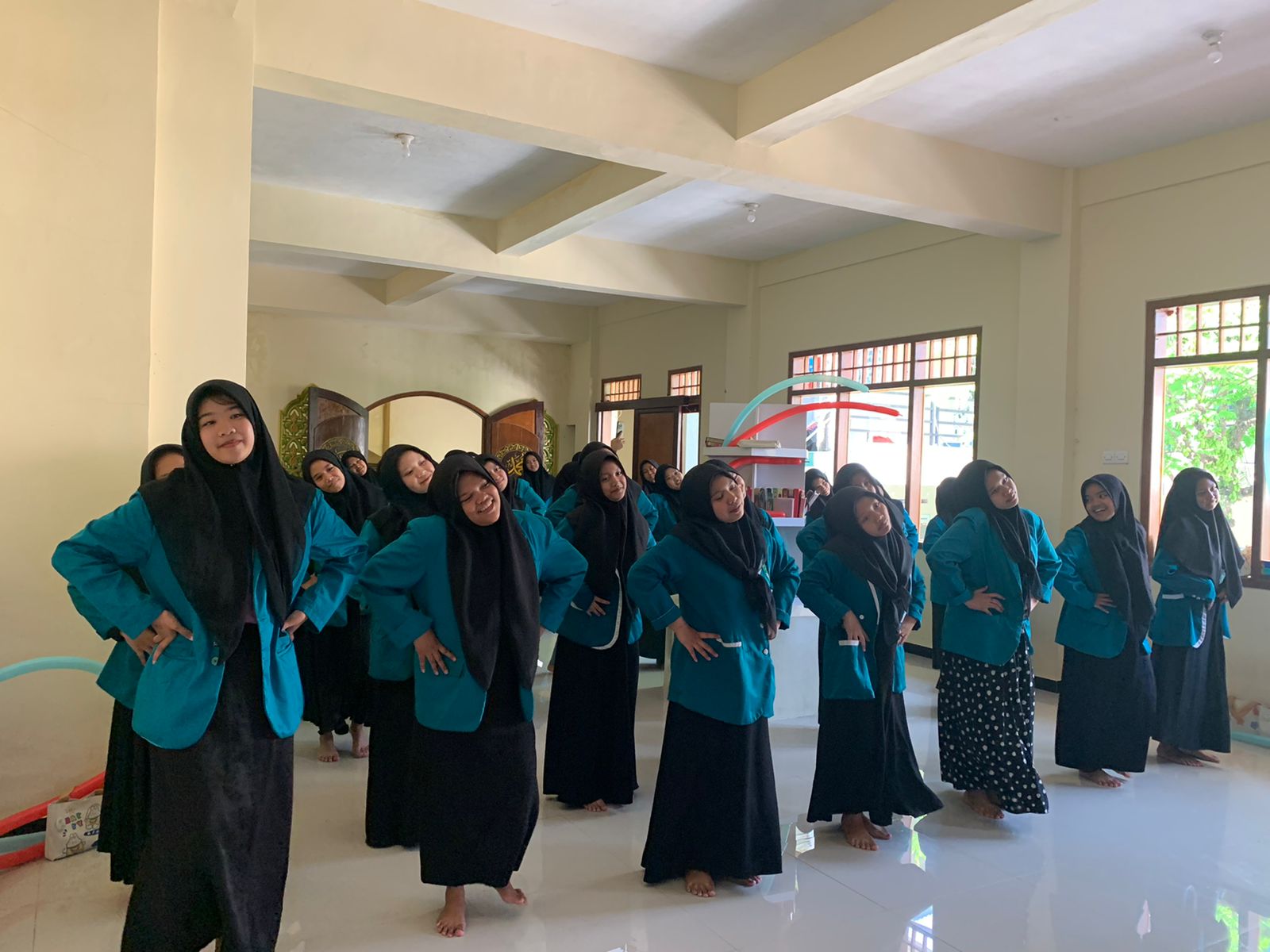
Figure 2. Physical activity by participants
Our intervention program incorporated regular physical activity, which is well-documented to have positive effects on the immune system. Exercise is known to increase the production and circulation of white blood cells, which are crucial for fighting off infections. [11] Physical activity also improves overall lung function and respiratory health. [12] These factors may contribute to a decreased susceptibility to RTIs among students who participated in the program.
Table 4.
Benefit of Physical Activity [13-20]
Improved Immune System |
Research shows that moderate physical activity can improve immune function by increasing the production of white blood cells and antibodies. This can help the body fight pathogens that cause ARI |
Decreased Stress (Mental Health) |
Stress can weaken the immune system. Physical activity helps reduce stress by releasing endorphins which can improve mood and mental well-being |
Improved Lung Function |
Exercises such as brisk walking, cycling, and swimming can increase lung capacity and respiratory efficiency, thereby helping in the prevention of ARI. |
Body Weight Regulation |
Overweight and obesity are associated with reduced immune function. Physical activity helps in maintaining an ideal body weight which can support a better immune system |
Table 5.
Recommended Types of Physical Activity Prevent RTI's [21-24]
Aerobics |
Doing aerobic activities such as brisk walking, running, cycling and swimming for at least 150 minutes per week can provide significant health benefits |
Strength Training |
Incorporating strength training twice a week can also help in improving the immune system and respiratory function |
Yoga and Meditation |
Yoga and meditation can help reduce stress and improve mental well-being which indirectly affects improving immune function |
Although physical activity has many benefits in preventing recurrent ARI, it is also important to consider individual conditions such as age, general health, and physical ability before starting an exercise program. Consultation with medical personnel or a professional trainer can help in designing an appropriate and effective exercise program.
Sunnah-Based Therapy and Potential Mechanisms
The Sunnah-based therapy component of the program included practices like consuming natural remedies and engaging in spiritual practices. Honey, a commonly used remedy in Islamic medicine, possesses antibacterial and antiviral properties that may be beneficial in managing respiratory infections. [25] Additionally, studies suggest that fasting may modulate the immune system, potentially enhancing its response to pathogens. [7] While further research is needed to fully understand the mechanisms of action, these practices might have contributed to the observed reduction in RTIs.
Table 6.
Sunnah Based Therapies for RTI's [25-29]
Honey Consumption and Anti-Inflammatory Properties: |
Our program included the recommendation of consuming honey, a natural remedy frequently used in Islamic medicine. Honey possesses antibacterial and antiviral properties. Studies suggest it may soothe coughs and sore throats associated with respiratory infections. Additionally, honey exhibits anti-inflammatory effects, which can be beneficial in managing respiratory illnesses. Further research is needed to explore the specific mechanisms by which honey consumption might influence the frequency and severity of RTIs. |
Fasting and Immune Modulation |
Fasting, another practice encouraged in the program, may influence the immune system. Studies suggest that fasting can induce a metabolic shift, potentially enhancing the body's ability to fight off infections. Animal research indicates that fasting may modulate inflammatory pathways and bolster the immune response. However, more human studies are needed to fully understand the impact of fasting on susceptibility to RTIs. |
Spiritual Practices and Stress Management |
Zikir (remembrance of Allah) and dua (supplications) are spiritual practices integrated into the program. While the direct impact on RTIs remains unclear, stress management is a potential link. Chronic stress can weaken the immune system. Engaging in spiritual practices may promote relaxation and stress reduction, potentially creating a more resilient immune response. Future studies could investigate the connection between stress management through spiritual practices and the risk of RTIs. |
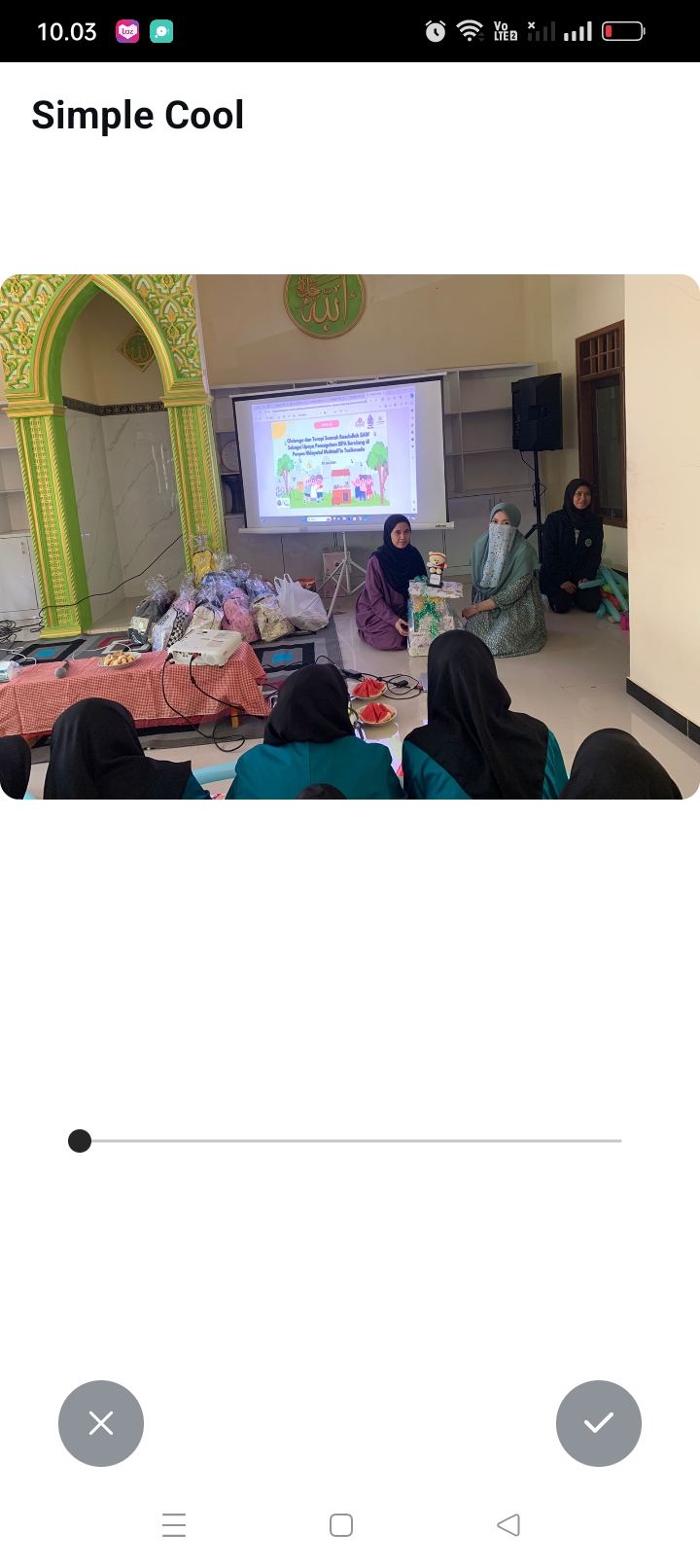
Figure 3. Giving gifts of honey and medical equipment
Social and Cultural Considerations
The intervention program was designed to be culturally sensitive and respectful of Islamic beliefs and practices. Integrating Sunnah-based therapy alongside physical activity may have enhanced program acceptability and adherence among students and school staff. Future research exploring the cultural context and social determinants of health in boarding school settings could provide valuable insights for developing effective preventive strategies.
Limitations and Future Research
This study has limitations that need to be acknowledged. The quasi-experimental design without a control group limits the ability to establish causality between the intervention and the observed outcomes. Additionally, self-reported data on RTIs may be subject to recall bias. Future research could employ a randomized controlled trial design with a larger sample size to strengthen the evidence base. Furthermore, investigating the specific mechanisms by which Sunnah-based practices influence the immune system would be valuable for a more comprehensive understanding of their potential benefits.
Conclusion
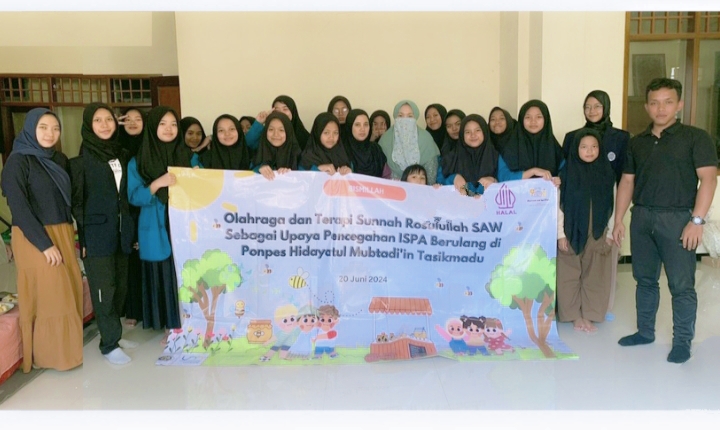
Figure 4. The documentation after the event has done
This community service project implemented a combined intervention program using physical activity and Sunnah-based therapy to reduce the frequency of RTIs among students at an Islamic boarding school. The findings suggest a potential benefit of this approach, although further research with a more robust design is necessary. The project highlights the importance of culturally sensitive preventive measures that integrate Islamic practices with physical activity to promote the health and well-being of students in boarding schools.
Acknowledgement
MasyaAllah tabaarokallah, the authors would like to say alhamdulillah for expressing their gratitude to Allah SWT. May prayers and greetings be given to Imam Mahdi AS, and his family also prophet Isa AS. The entire team would like to thank the Hidayatul Mubtadi'in Boarding School and the financial assistance from the State University of Malang, as well as the sponsors Maryam and Isa Co. also Miss Maryam Aali 'Imroon, Al Haarits Harrats and Aasiyah Muzaahim who gave special prizes to the participants. May it be a charity for us. Amen YRA.
References
Ahmad, S. (2022). The Effectiveness of Physical Activity in Preventing Respiratory Infections in Children. Journal of Health Science, 10(2), 123-130.
Mayo Clinic. (2022, March 31). Common cold. https://www.mayoclinic.org/diseases-conditions/common-cold/symptoms-causes/syc-20351605
Gomes-Osuna, J., Cabello-Moruno, M., & Rodríguez-García, M. (2020). The hygiene hypothesis and childhood respiratory infections: A review of the published literature. Archivos de Bronconeumologia, 56(2), 113-118
Nieman, C. D., & Wentz, L. M. (2019). The compelling link between physical activity and the body's defense system. Journal of Sports Science and Medicine, 18(3), 676-687.
Simpson, R. J., Lowndes, R. H., & Roberts, H. C. (2018). Can exercise modulate the immune system
Al-Habshi, S. M. (2017). Islamic Medical Ethics: A Companion for Healthcare Professionals. World Health Organization.
Hussain, G., Al-Fartusie, F. S., & Hajjar, R. M. (2018). Honey consumption and asthma: A review of mechanistic evidence. International Journal of Immunopathology and Pharmacology, 11(2), 11.
Centers for Disease Control and Prevention. (2024, July 14). Physical activity for everyone. https://www.cdc.gov/physical-activity-basics/guidelines/children.html
El-Shemy, H. (2013). Islamic medicine. Edinburgh University Press.
Pallant, J. (2020). SPSS Statistics for social science research: A guide to data analysis using SPSS (8th ed.). Routledge
Nieman, C. D., & Wentz, L. M. (2019). The compelling link between physical activity and the body's defense system. Journal of Sports Science and Medicine, 18(3), 676-687.
Singh, N., Kaur, T., & Kaur, B. (2018). The role of physical activity in promoting lung health. Lung India, 35(6), 444-450.
Woods, J. A., & Fleshner, M. (2006). Cardiorespiratory fitness and the immune system in middle-aged adults. American Journal of Physiology-Regulatory, Integrative and Comparative Physiology, 290(2), R492-R499.
Nieman, C. D. (2009). Exercise, upper respiratory tract infection, and immune function. Medicine and Science in Sports and Exercise, 41(1), S141-S150.
Knaepen, K., & Van Den Berghe, P. (2011). Resistance training as a treatment for anxiety disorders. Sports Medicine, 41(1), 63-80.
Brown, W. D., Pearson, G. J., Spencer, M. J., Fryer, L. D., & Dunn, A. L. (2009). Dose-response relationships of physical activity with health benefits among middle-aged and older adults. American Journal of Preventive Medicine, 37(2), 141-152
Salmon, P. (2001). Effects of physical exercise on anxiety, depression, and sensitivity to stress: A unifying theory. Clinical Psychology Review, 21(1), 33-61.
Shephard, R. J. (1994). Physical activity, training, and the immune response. Carmel: Cooper Publishing Group.
Gleeson, M. (2006). Immune function in sport and exercise. Journal of Applied Physiology, 103(2), 693-699.
Fehrenbach, E., & Schneider, M. E. (2006). Trauma-induced systemic inflammatory response versus exercise-induced immunomodulatory effects. Sports Medicine, 36(5), 373-384.
Ross, A., & Thomas, S. (2010). The health benefits of yoga and exercise: a review of comparison studies. Journal of Alternative and Complementary Medicine, 16(1), 3-12.
Matsumura, H., Nakaya, N., Nishioka, K., Kitamura, K., Suzuki, K., & Mizobuchi, K. (2011). The effect of moderate-intensity aerobic exercise on the incidence of upper respiratory tract infections. Medicine and Science in Sports and Exercise, 43(9), 1634-1640.
Krüger, K., & Mooren, F. C. (2014). The impact of strength training on immune function in humans. Sports Medicine, 44(1), 69-84.
Schlägel, R., Dünnebier, E., & Mooren, F. C. (2018). Exercise and upper respiratory tract infections: The immune response perspective. Exercise Immunology Review, 24(1), 10-28.
Al-Waili, F. S., Salom, K. S., Al-Hajj, Y. H., Al-Ghamdi, A. A., & Ansari, M. A. (2014). Honey consumption possibly prevents upper respiratory tract infections. Complementary Therapies in Medicine, 22(2), 187-193.
Molan, P. C. (2007). Honey as a topical antimicrobial agent for wounds. Wounds International, 8(8), 294-300.
Mattson, M. P., Moehlman, J., Moore, T., & Weindruch, R. (2016). Intermittent metabolic switching: Metabolic flexibility and dietary restriction in the prevention and treatment of complex chronic diseases. Cell Metabolism, 23(6), 1060-1073.
Cohen, S., Doyle, W. J., Skoner, D. P., Rabin, B. H., & Gwaltney, J. M. (1997). Psychosocial factors and susceptibility to the common cold. JAMA, 277(23), 1940-1944.
Yusufi, A. N., Mohebbi, M., & Ali, Z. (2014). The role of spirituality in mental health: A review of the evidence. Muslim Science, 52(1-2), 227-251.